
Shared Hosting vs. VPS Hosting vs. Dedicated Hosting: Choosing the Right Option for Your Website
Introduction
Choosing the right hosting option for your website is a crucial decision can greatly impact its performance and success. In order to make an informed choice, it is important to understand the differences between shared hosting, VPS hosting and dedicated hosting. Each of these options offers unique advantages and caters to different types of websites. This article will provide a comprehensive overview of shared hosting, VPS hosting, and dedicated hosting, delving into their key differences and highlighting the advantages they offer. By the end, you will have a clear understanding of which hosting option is best suited for your website.
Differences between Shared Hosting and VPS Hosting
When it comes to hosting your website, shared hosting and VPS hosting are two common choices. Although they both serve the purpose of hosting your website, there are significant differences between the two.
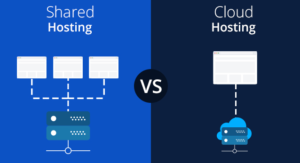
Shared hosting involves multiple websites being hosted on a single server. It means that your website will share server resources with other websites. This can sometimes result in slower performance, as the shared resources are distributed among all the websites on the server. However, shared hosting tends to be more affordable than VPS hosting.
On the other hand, VPS hosting operates within a virtual environment on a shared server. While multiple websites are still hosted on the same physical server, each website is allocated its own dedicated resources. This distinct allocation of resources ensures better performance and greater flexibility. VPS hosting is typically more expensive than shared hosting but offers numerous benefits, especially for websites with higher traffic or resource-intensive applications.
Advantages of Shared Hosting
Shared hosting comes with several advantages that make it a popular choice for many website owners, especially those starting their online journey or running smaller websites:
1.
Affordability
: Shared hosting plans are often more budget-friendly compared to VPS and dedicated hosting options. This low cost is ideal for individuals or small businesses with limited budgets.
2.
Ease of use
: Shared hosting providers handle the management and maintenance of servers, making it easier for users who have limited technical skills or experience with hosting.
3.
Scalability
: Shared hosting plans allow you to start small and upgrade as your website grows. You can easily adjust your resources or switch to a different hosting option when needed.
4.
Convenience
: With shared hosting, you don’t have to worry about server administration tasks like security updates, server monitoring, or software installations. The hosting provider takes care of these technical aspects, allowing you to focus on managing your website content.
Advantages of VPS Hosting
While shared hosting may be suitable for some websites, VPS hosting offers additional advantages that are well worth considering, especially if your website requires more resources or enhanced performance:
1.
Dedicated Resources
: VPS hosting ensures that your website has dedicated resources. Unlike shared hosting, where resources are shared among multiple websites, VPS hosting provides you with allocated RAM, CPU, and disk space.
2.
Improved Performance
: With dedicated resources, your website will experience improved performance and faster loading times. This is particularly important for websites that demand high performance or have significant traffic volumes.
3.
Root Access
: VPS hosting grants you root access to your virtual environment, giving you complete control over server configurations and software installations. This level of control allows for greater customization and flexibility.
4.
Enhanced Security
: VPS hosting provides a higher level of security compared to shared hosting. Since each virtual environment is isolated, any vulnerabilities or issues in other websites won’t directly affect yours. You can also implement additional security measures specific to your needs.
Understanding Dedicated Hosting
Dedicated hosting is an advanced hosting option designed for websites that require the utmost in performance, reliability, and security. With dedicated hosting, you have an entire physical server exclusively for your website.
A dedicated server offers unparalleled benefits:
1.
Maximum Performance
: With dedicated hosting, you have access to all the server’s resources, ensuring optimal performance for your website and its applications. This is particularly important for large-scale websites or those with high traffic volumes.
2.
Full Control
: You have complete control over the server, allowing you to customize it to meet your specific requirements. This level of control includes the choice of operating system, hardware, and software configurations.
3.
Enhanced Security
: Dedicated hosting provides the highest level of security. Since you are the sole user of the server, you have full control over security measures, including firewall configurations, data encryption, and access restrictions.
4.
Scalability
: Dedicated hosting allows for seamless scalability as your website grows. You can easily add or upgrade server resources to accommodate increasing website demands without experiencing any performance issues.
Choosing the Right Option for Your Website
Selecting the ideal hosting option depends on various factors such as your website’s size, anticipated traffic, resource requirements, and budget. Consider the following key points when making your decision:
1.
Website Size and Traffic
: Shared hosting is suitable for smaller websites with moderate traffic, while VPS hosting caters to websites with growing traffic and resource demands. Dedicated hosting is recommended for large-scale websites or those experiencing high traffic volumes.
2.
Resource Requirements
: Assess your website’s resource needs, such as CPU, RAM, and disk space. If your website requires substantial resources or runs resource-intensive applications, VPS or dedicated hosting is the better option.
3.
Budget
: Consider your budgetary constraints. Shared hosting tends to be more cost-effective, while VPS and dedicated hosting options come at a higher price point due to the additional resources and benefits they offer.
4.
: Evaluate your technical skills and knowledge. Shared hosting requires minimal technical expertise, while VPS and dedicated hosting options may necessitate advanced server management capabilities.
Read Also
Online Schools for Business Administration
Top 10 Best Law Colleges in UK
In conclusion, choosing the right hosting option is vital for ensuring your website’s success. Shared hosting, VPS hosting, and dedicated hosting each have their own advantages and cater to different types of websites. Take into account your website’s size, traffic, resource requirements, budget, and technical expertise to make an informed decision. By selecting the hosting option that aligns with your needs, you can provide a seamless and optimal experience for your visitors while achieving your online goals.
All content credit goes to Gamenses .
