
Decoding BRICS: Exploring the Meaning, Countries, Economy, and Members
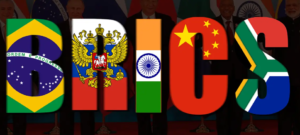
Exploring the Meaning of BRICS
BRICS, an acronym for Brazil, Russia, India, China, and South Africa, refers to the collective grouping of these five major emerging economies. Initially coined by Goldman Sachs analyst Jim O in 2001, BRICS has become a significant player on the global stage due to its economic growth and potential. The term represents a powerful alliance that aims to promote economic cooperation, political influence, and sustainable development among its member countries. While each nation brings its unique characteristics to the group, the core idea behind BRICS is to establish a multilateral platform for mutual cooperation and advancement.
BRICS Countries: Who are the Members?
The BRICS alliance comprises five diverse nations, namely Brazil, Russia, India, China, and South Africa. These countries represent different continents, cultures, and political systems, but share common aspirations for development and global influence. Brazil, the largest economy in South America, brings its rich natural resources and agricultural prowess to the BRICS group. Russia, with its vast reserves of oil and natural gas, contributes energy resources and technological advancements. India, known for its robust service sector and skilled workforce, is an important player in information technology and other industries. China, the world’s second-largest economy, participates actively in global trade and investment, while South Africa adds its mineral wealth and regional economic expertise to the BRICS grouping.
Unveiling the BRICS Economy: A Closer Look
The BRICS economies collectively hold immense potential, accounting for a substantial share of the global economy and exerting a significant impact on international trade and finance. Each country contributes to the BRICS growth story with its unique economic strengths. China, as the largest economy among the BRICS nations, plays a particularly crucial role. With its manufacturing expertise, infrastructure development initiatives, and huge consumer market, China acts as an engine driving the overall growth of the BRICS alliance. India’s rapid economic expansion, fueled by its burgeoning middle class and service sector, also contributes significantly. Brazil brings its agricultural prowess and rich natural resources, while Russia contributes oil, natural gas, and technological advancements. South Africa, with its mineral wealth, offers both economic potential and regional influence.
Read Also
Shared Hosting vs. VPS Hosting
BRICS Members: Roles and Contributions
Each member country of BRICS plays a distinct role and makes various contributions to the alliance, leading to a shared vision of economic development and global influence. China, as an economic powerhouse, is renowned for its manufacturing capabilities and export-oriented industries. It plays a critical role in driving global economic growth and acts as a source of investment for other BRICS nations. India, with its vast services sector and skilled workforce, participates actively in IT services, pharmaceuticals, and knowledge-based industries. Additionally, India promotes South-South cooperation within BRICS and works towards greater inclusion of developing nations in the global economy. Brazil, famous for its agricultural sector, provides food security globally and has become a key player in renewable energy. Russia brings forth its expertise in the energy sector, particularly through its oil and natural gas reserves, and contributes technological advancements. Lastly, South Africa provides a gateway to the African continent, enabling the BRICS alliance to expand its economic influence in the region while benefiting from South Africa’s mining and mineral resources expertise.
All content credit goes to Gamenses
